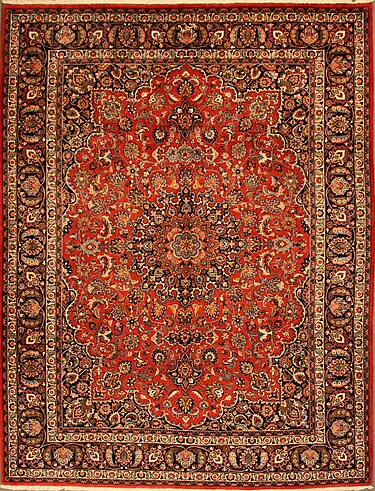


Handwoven Persian carpets are among Iran’s most treasured cultural and artistic masterpieces, with each region offering distinctive styles and patterns. Among these, Khorasan carpets stand out as some of the finest examples of traditional Persian weaving. These rugs not only offer beauty and high quality but also reflect the rich cultural and artistic heritage of northeastern Iran.
The Khorasan region, including North Khorasan, South Khorasan, and Razavi Khorasan, has long been a center of handwoven rug production. Cities such as Bojnord, Birjand, and Nishapur each contribute their own unique techniques and designs, ensuring that every Khorasan carpet tells a story of tradition, craftsmanship, and creativity.
This article explores the features of Khorasan handwoven rugs, including their history, weaving techniques, unique designs, materials, market presence, and their enduring role as Persian handmade carpets for collectors and homeowners across the United Kingdom.
Carpet weaving in Khorasan has a long and rich history, dating back centuries. This craft flourished especially during the Qajar era and was practiced widely among rural families and nomadic communities.
Khorasan weavers, using high-quality local wool and traditional techniques, created rugs that were not only functional but also highly artistic. Over time, Khorasan carpets gained recognition in both Iranian and UK markets, becoming sought-after masterpieces in exhibitions and international collections.
Khorasan carpets are primarily woven from high-quality local wool, sometimes blended with silk for added shine and elegance.
They are typically knotted using the Persian knot, which ensures durability, flexibility, and longevity.
Horizontal looms allow artisans to produce intricate patterns with meticulous layering of color and design. These features make Khorasan rugs perfect for home decoration and collectors in Reading and throughout the UK.
The Persian knot is the hallmark of Khorasan carpets, known for its strength, precision, and ability to create symmetrical and detailed designs.
Weaving techniques involve careful planning, consistent knotting, and attention to detail, which enhances the overall aesthetic and durability of the rug.
These traditional methods ensure that Khorasan carpets remain a symbol of authentic handwoven Persian rugs in the UK.
Khorasan carpets are made with premium local wool and often enhanced with silk threads for extra luster.
Natural, vibrant colors include deep reds, blues, earthy browns, subtle greens, and golds.
These materials and dyes not only create visually striking rugs but also ensure the carpets’ durability and long-lasting beauty, making them highly sought after as Khorasan handwoven rugs for collectors in the UK.
Khorasan carpets hold a prestigious place in both domestic and international markets.
Their quality, authenticity, and unique designs make them popular among collectors and Persian carpet enthusiasts in Reading, London, and across the United Kingdom.
While Mashhad carpets have their own global identity, Khorasan rugs are valued for their regional diversity and rich artistic heritage.
Our Khorasan Carpets collection offers authentic, handwoven pieces that reflect the creativity, tradition, and culture of northeastern Iran.

Khorasan carpets are not merely decorative items—they are timeless works of Persian art. From the bold designs of Bojnord to the elegant motifs of Birjand and the refined artistry of Nishapur, each rug tells a story of tradition, beauty, and craftsmanship. By choosing Khorasan carpets, collectors and homeowners in Reading, UK, and beyond can bring warmth, color, and the authentic heritage of Persian weaving into their homes. These handwoven masterpieces represent the pinnacle of Iranian carpet artistry, preserving centuries of cultural legacy and charm.
Conclusion
Handwoven carpets of Iran are among the country’s cultural and artistic treasures. Among the various types of carpets, those from different regions of Iran each possess unique characteristics that distinguish them from one another. The handwoven carpets of Bojnord, produced in the northeastern part of Iran, are some of the most prominent examples of this ancient Iranian art. These carpets, in addition to their beauty and quality, represent the rich history and artistic heritage of the region. In this article, we will explore the characteristics and features of Bojnord handwoven carpets, their history, the specific knots and designs used, the materials employed in their production, and the status of their market.
Carpet weaving in Bojnord, as one of the traditional arts of this region, has deep roots in history. This art particularly flourished during the Qajar era and even before, and has continued to thrive to this day. Historically, these carpets were primarily produced in rural homes and among nomadic tribes and gradually became known as a local industry in the larger cities of the region. Over time, Bojnord became one of the most important centers of handwoven carpet production in northeastern Iran.
These carpets, due to their use of high-quality raw materials and specific weaving techniques, have earned a distinguished place in both domestic and international markets. Initially, they were used as handmade household products for everyday use, but over time, their artistic value was increasingly recognized, turning them into valuable works of art that are sold at many exhibitions and international markets.
Bojnord carpets are generally woven from natural wool, sourced from local sheep in the region. This wool has a soft yet durable texture, providing the carpets with both beauty and strength. In addition to wool, some Bojnord carpets also incorporate silk, which adds a unique luster and shine to the finished product. One of the key features of Bojnord carpets is the knotting technique employed. The carpets typically use the Persian knot, which is the most common knot used in Iranian carpet weaving. This knot provides the carpet with durability and flexibility, allowing it to retain its shape over time and preserving its quality. In Bojnord, horizontal looms are commonly used in the weaving process. These looms, available in various sizes, allow weavers to create different patterns and designs in varying dimensions. The weaving process involves adding layers of color and design meticulously, ensuring that each part of the carpet is woven with precision.
Knotting in Bojnord handwoven carpets, like many other Iranian regions, is both an artistic and precise process, significantly influencing the final quality of the carpet. The most common knot used in Bojnord carpets is the Persian knot. This knot, known for its simplicity and durability, allows for symmetrical patterns to emerge on the carpet, providing both beauty and strength. The Persian knot’s simplicity is a key reason for its widespread use in Bojnord carpets. It provides greater durability and resistance to wear and tear, while also making the carpet more flexible and resilient. The weaving process also incorporates careful and intricate techniques that add to the artistry and visual appeal of the final product.
Bojnord carpets are renowned for their unique and distinct designs. The patterns of these carpets are often inspired by nature and the surrounding environment of the region. Common designs include floral motifs, medallions, geometric patterns, and representations of animals. These intricate designs, coupled with the use of vibrant colors, create a harmonious composition that enhances the visual impact of the carpet.
One of the standout features of Bojnord carpets is the use of “raised floral” patterns. These designs, derived from local flora, are artistically displayed using multicolored threads, creating a striking effect that distinguishes Bojnord carpets from those of other regions. This type of design not only enhances the aesthetic value of the carpet but also transforms each piece into a unique work of art.
The colors used in Bojnord carpets are typically derived from natural sources. Traditionally, dyes were obtained from local plants, such as pomegranate peels, colorful flowers, and other indigenous plants. These natural dyes are known for their durability and colorfastness, ensuring that the carpets retain their original color over time. Although synthetic dyes are now sometimes used in the production of Bojnord carpets, natural dyes still make up the majority of the carpets produced in the region.
The dyeing process itself is intricate, involving the careful application of dyes to the wool. The natural dyes create deep, rich hues that contribute to the unique visual appeal of the carpets. This use of natural dyes also plays a significant role in preserving the traditional craftsmanship of Bojnord carpets.
Bojnord handwoven carpets are highly regarded in both domestic and international markets. Their high quality and beautiful designs make them popular in many exhibition halls and retail outlets. In addition to the domestic Iranian market, these carpets are also exported to various countries, where they are recognized as luxurious, high-quality products.
However, the carpet industry in Bojnord faces several challenges. One of the main issues is the declining number of skilled weavers, which has led to a shortage of experienced labor. Many young people are no longer interested in continuing this profession and are instead turning to other occupations. This has resulted in a lack of skilled workers in many workshops, which affects the overall production capacity of the industry.
Despite these challenges, Bojnord carpets maintain a significant presence in global markets. Efforts to preserve the art of carpet weaving in the region and support local artisans are crucial for ensuring the continued success of this industry.
Bojnord handwoven carpets are not only industrial products but also valuable works of art that reflect the history and culture of this region. By utilizing high-quality raw materials, strong knotting techniques, and unique artistic designs, these carpets stand out in terms of both beauty and durability. In order to sustain and grow this industry, there is a need for specific support in education, quality enhancement, and the development of new markets. Bojnord handwoven carpets, as symbols of Iranian art and culture, deserve more attention and further expansion in global markets.
Conclusion