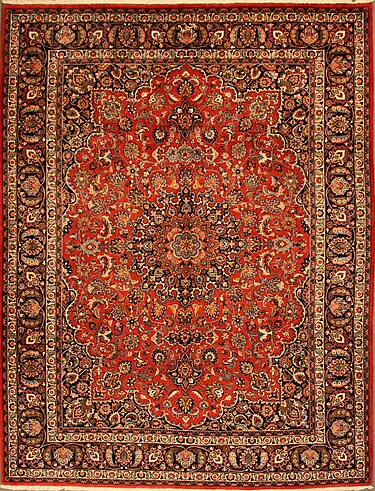
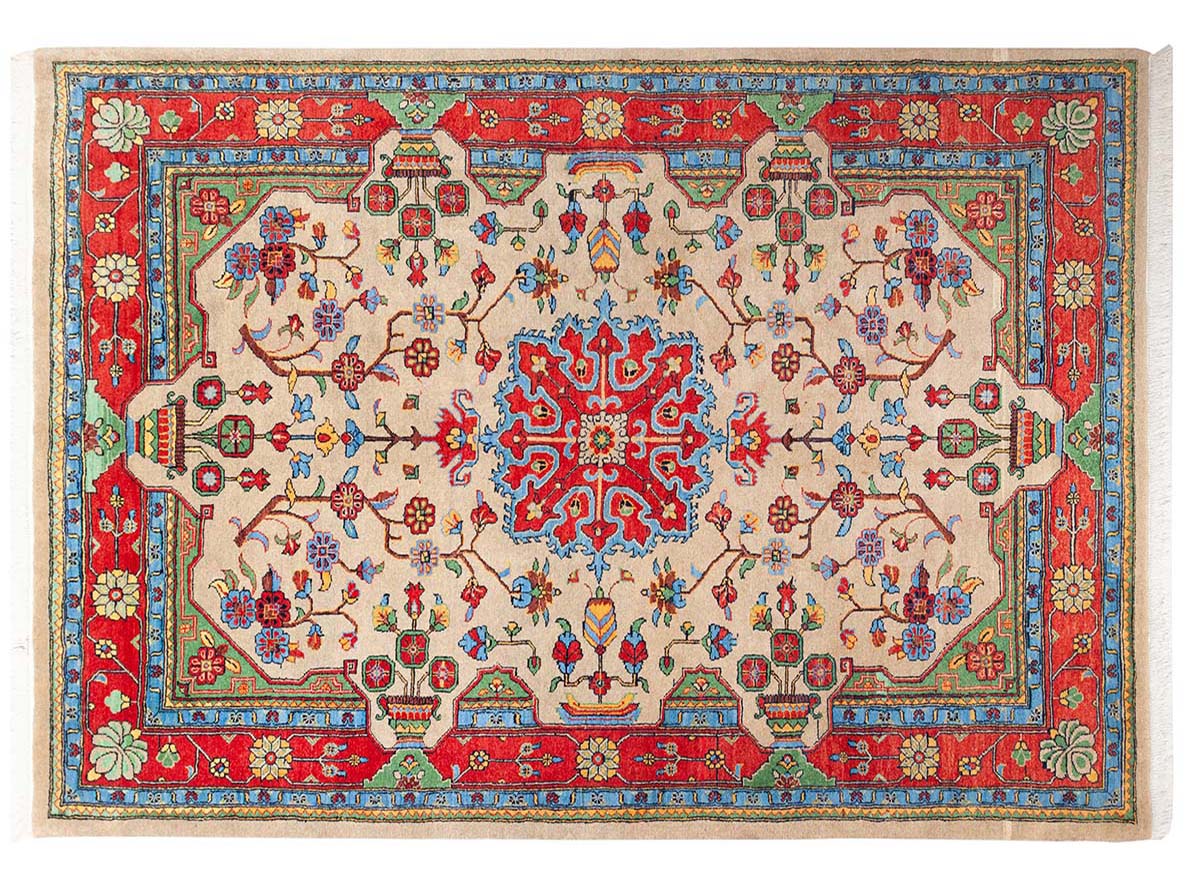
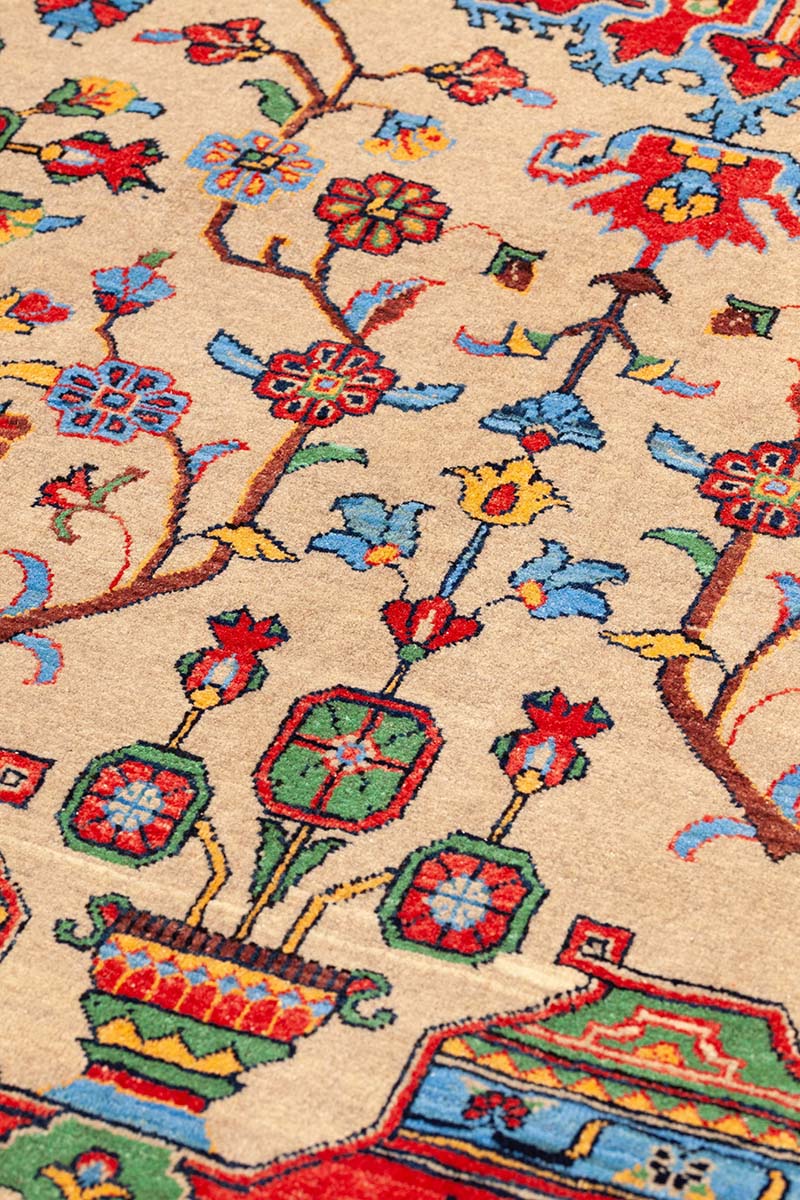
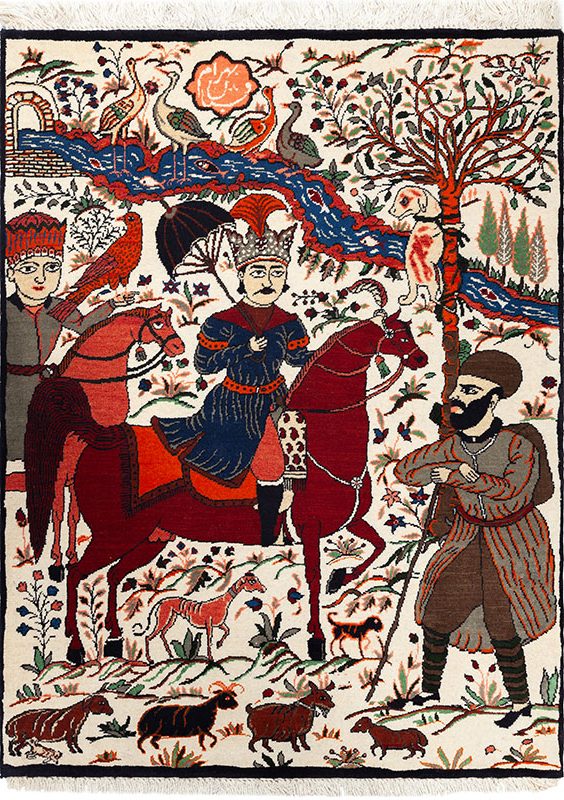
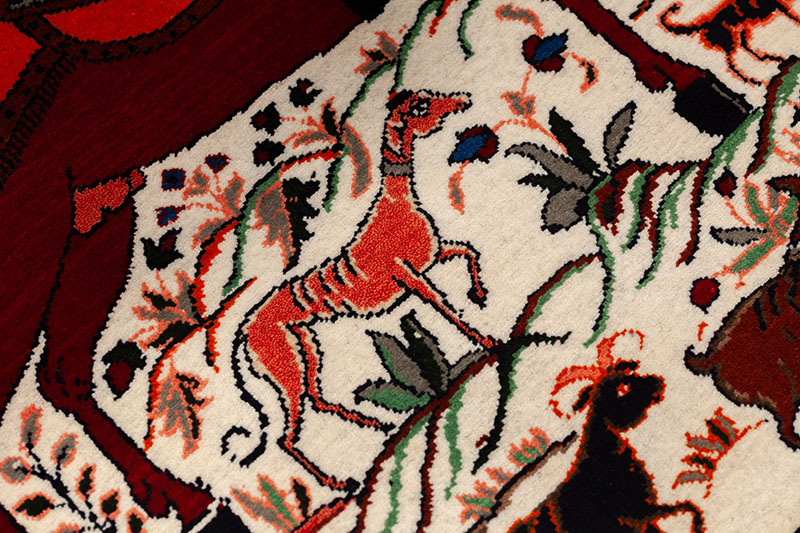
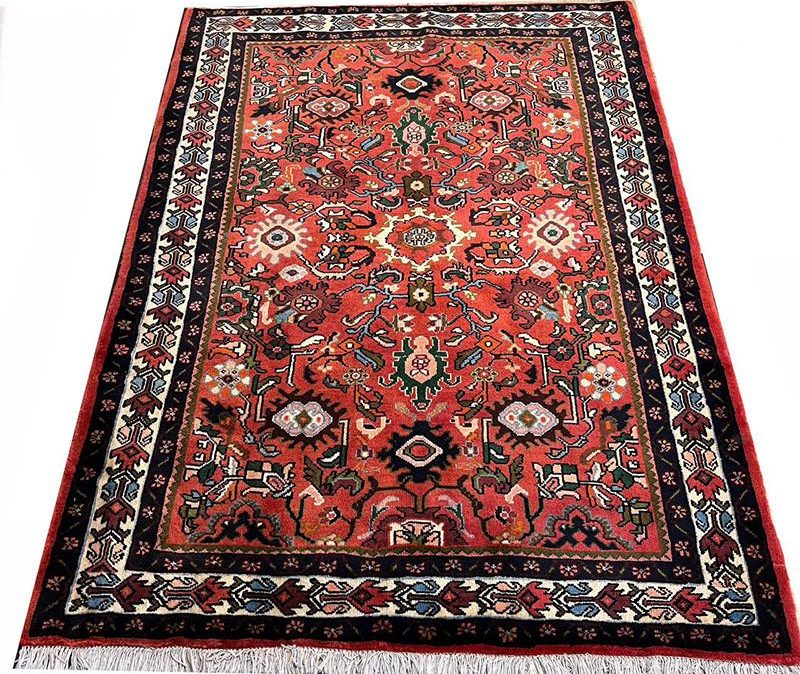
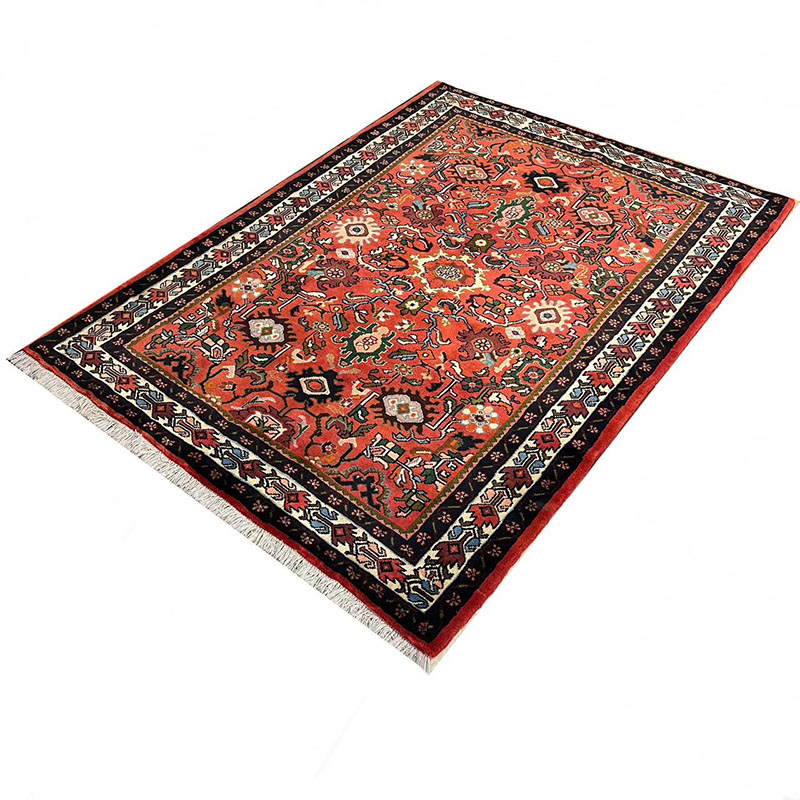
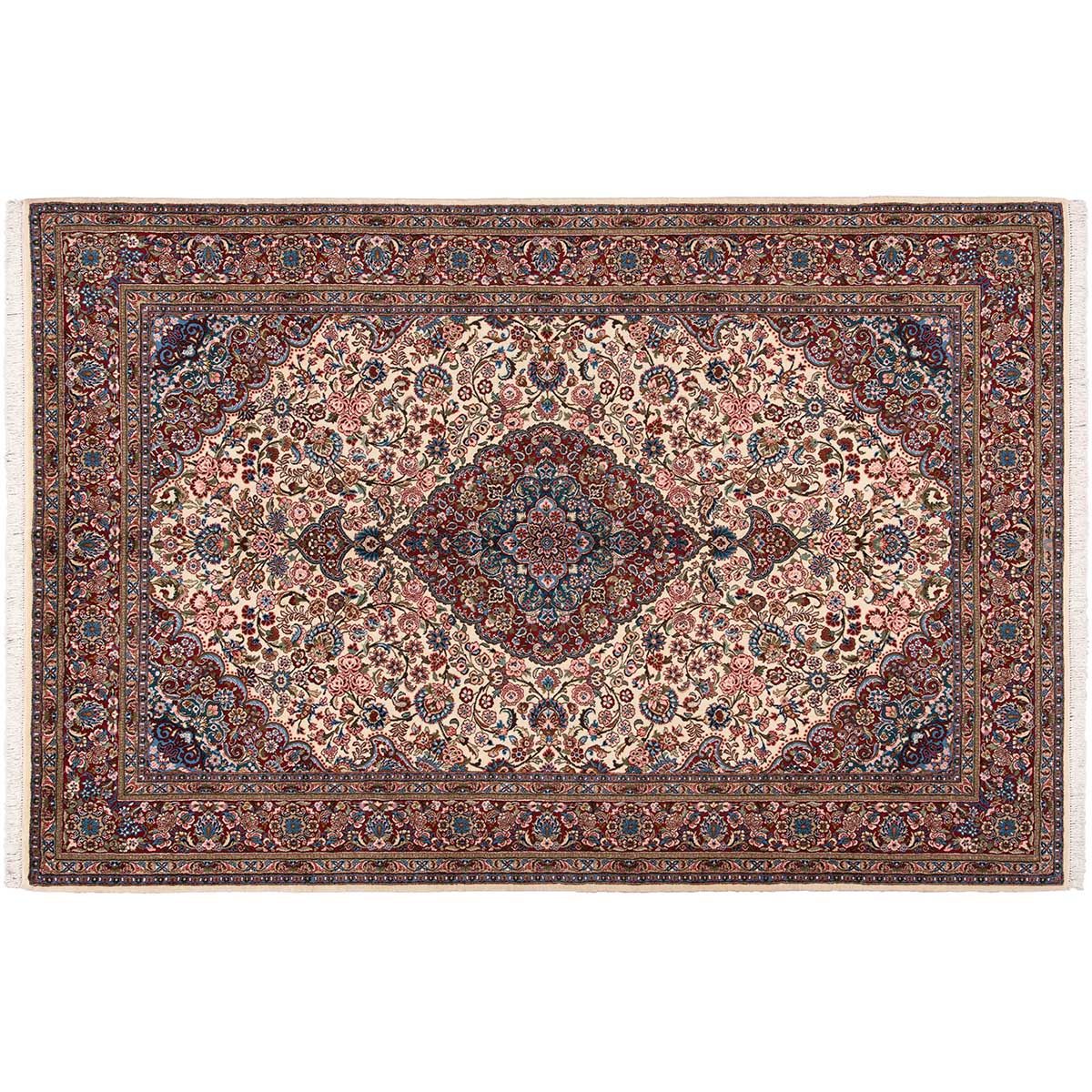
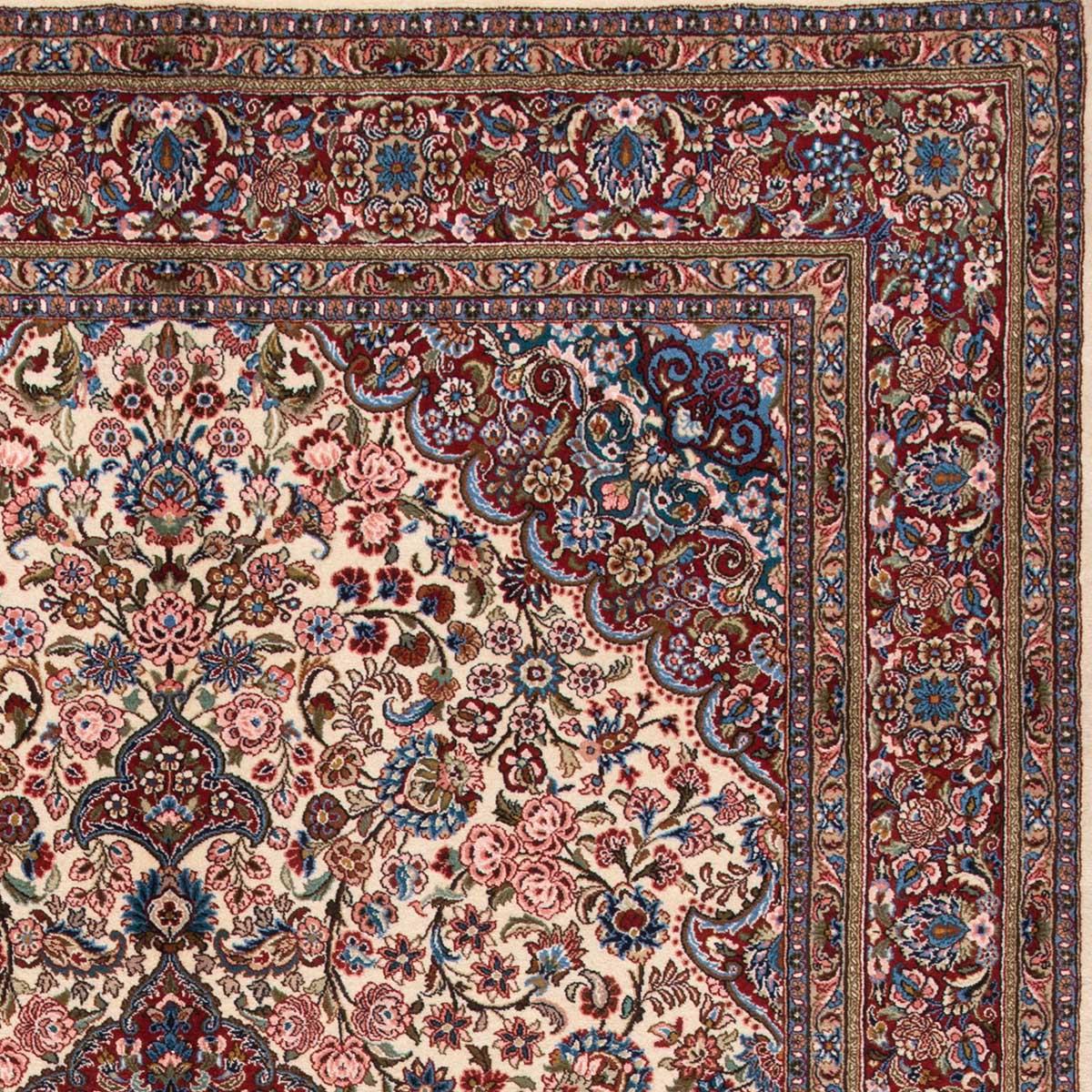
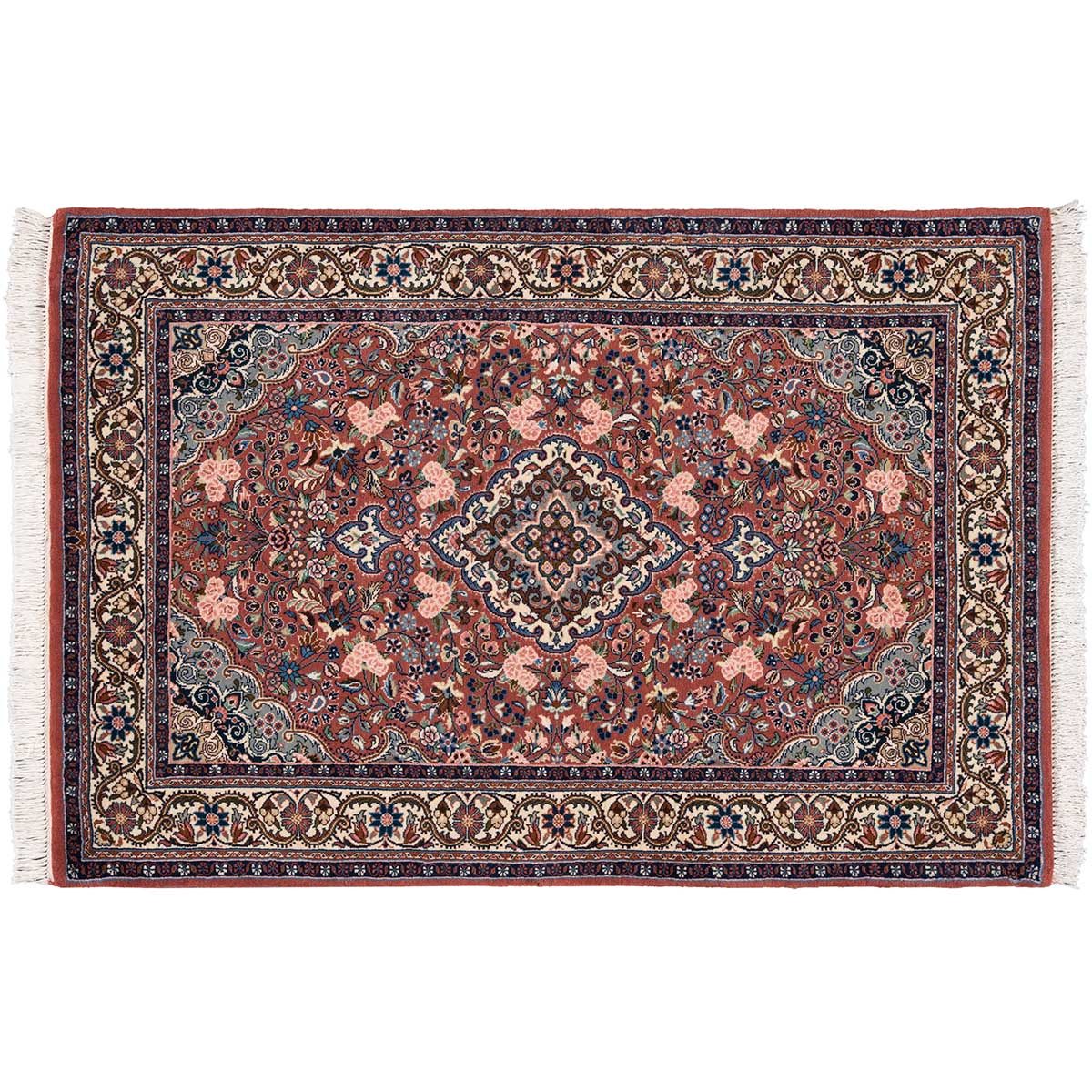
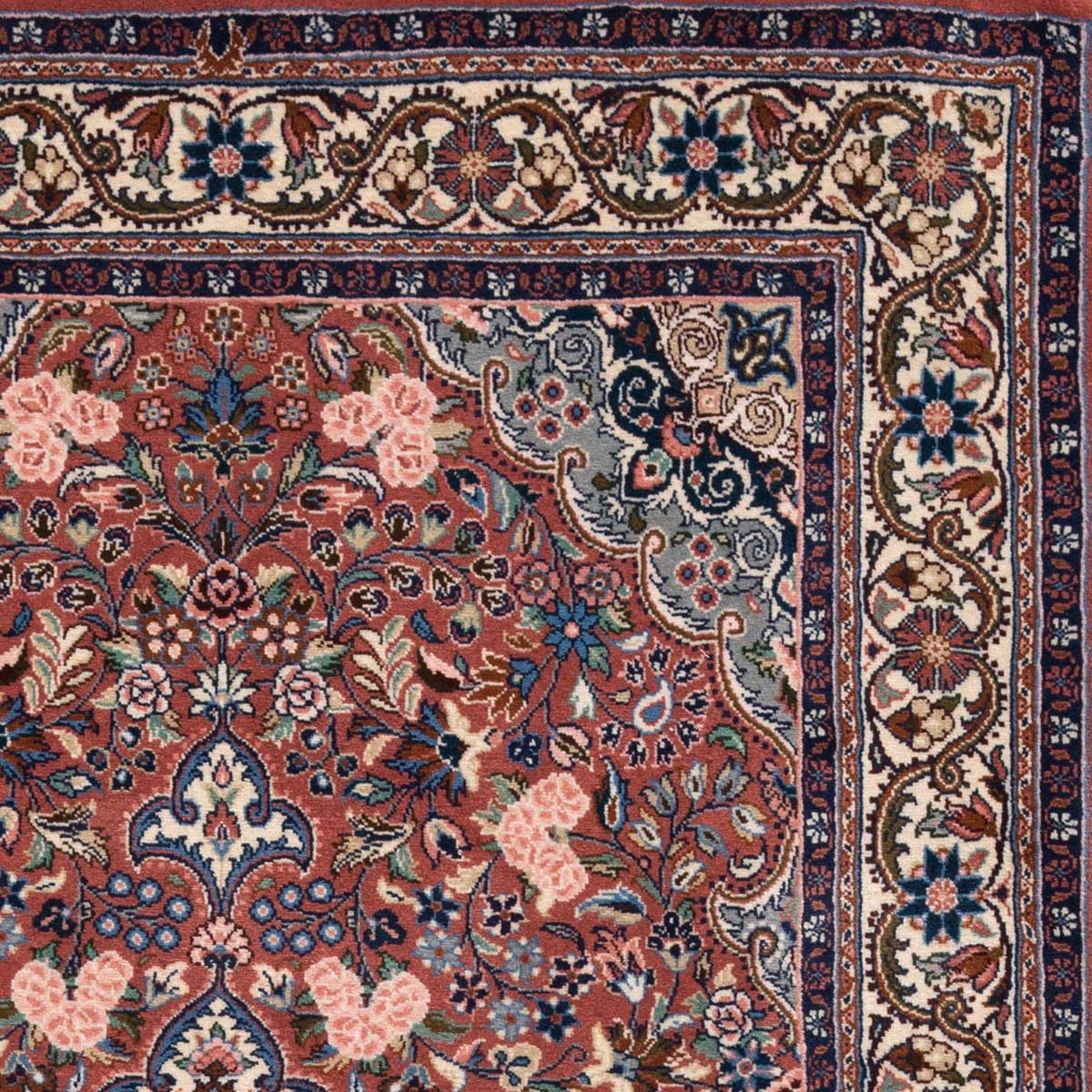
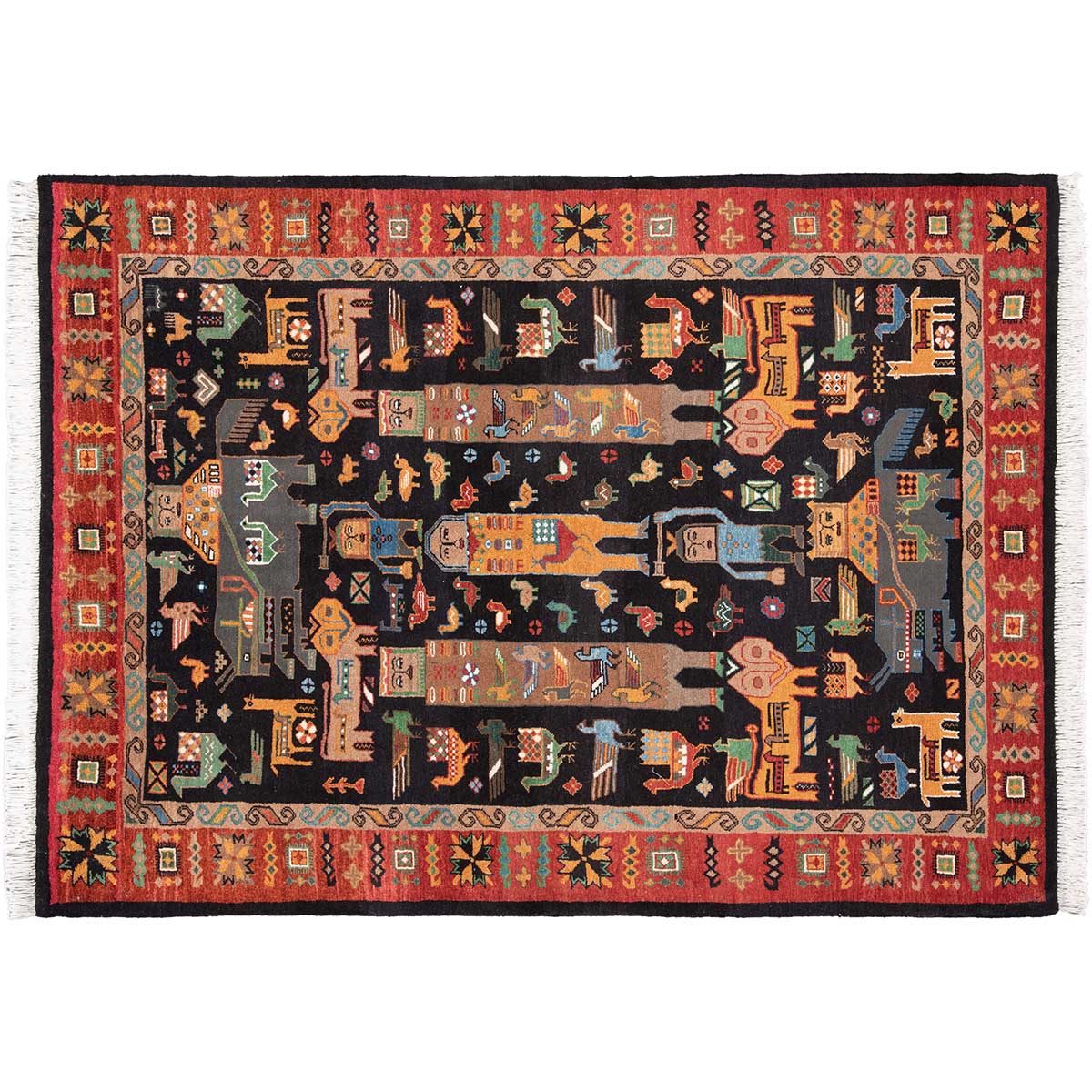
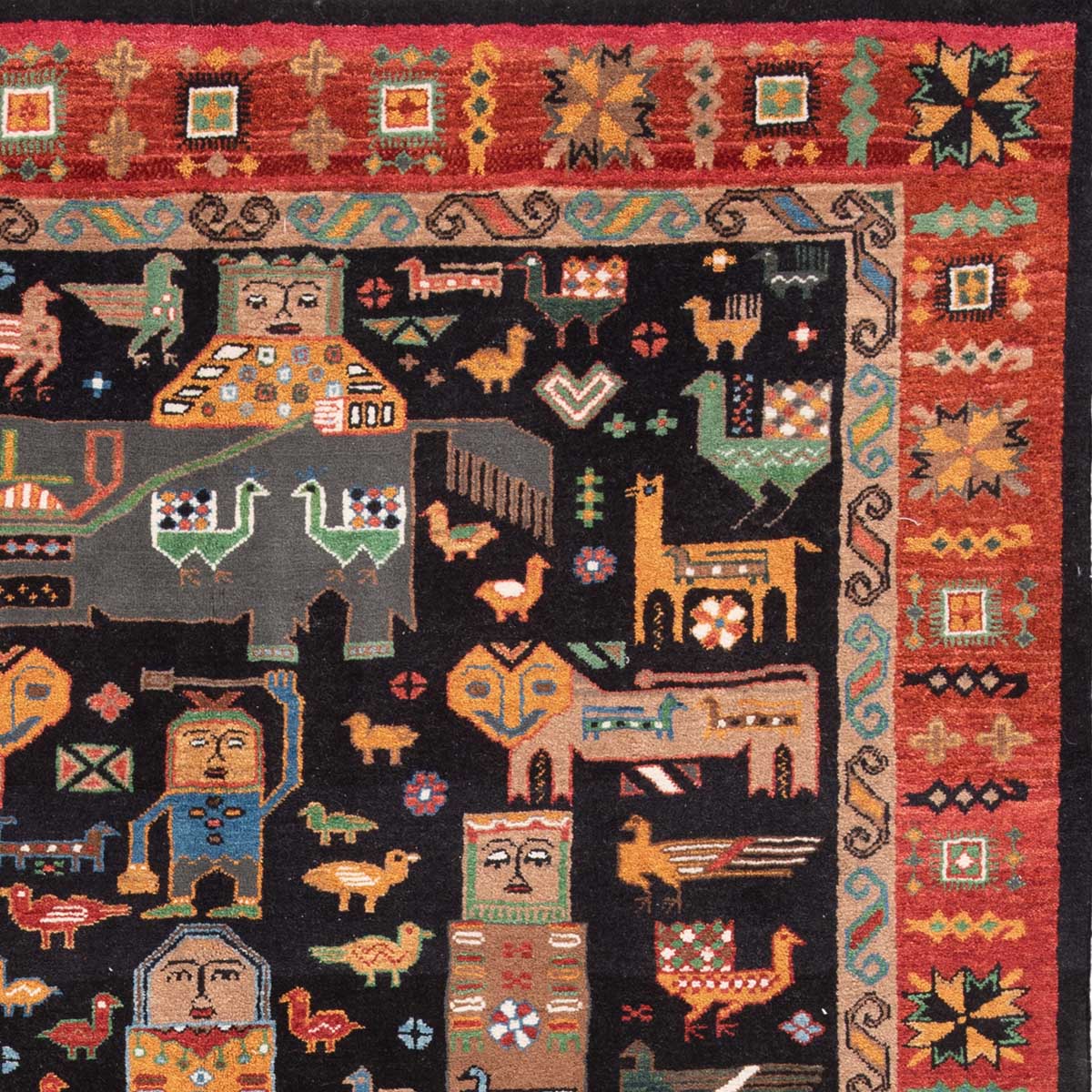
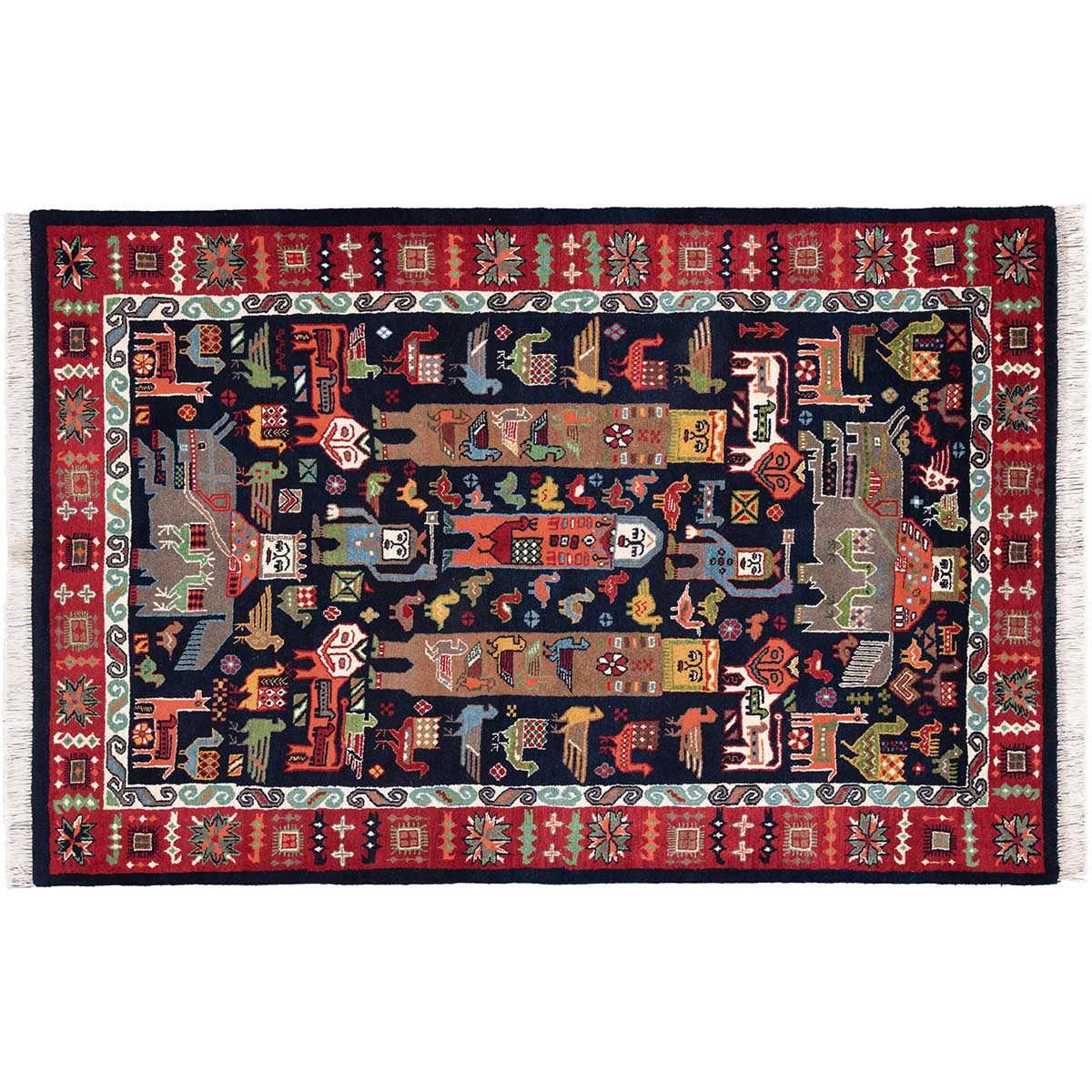
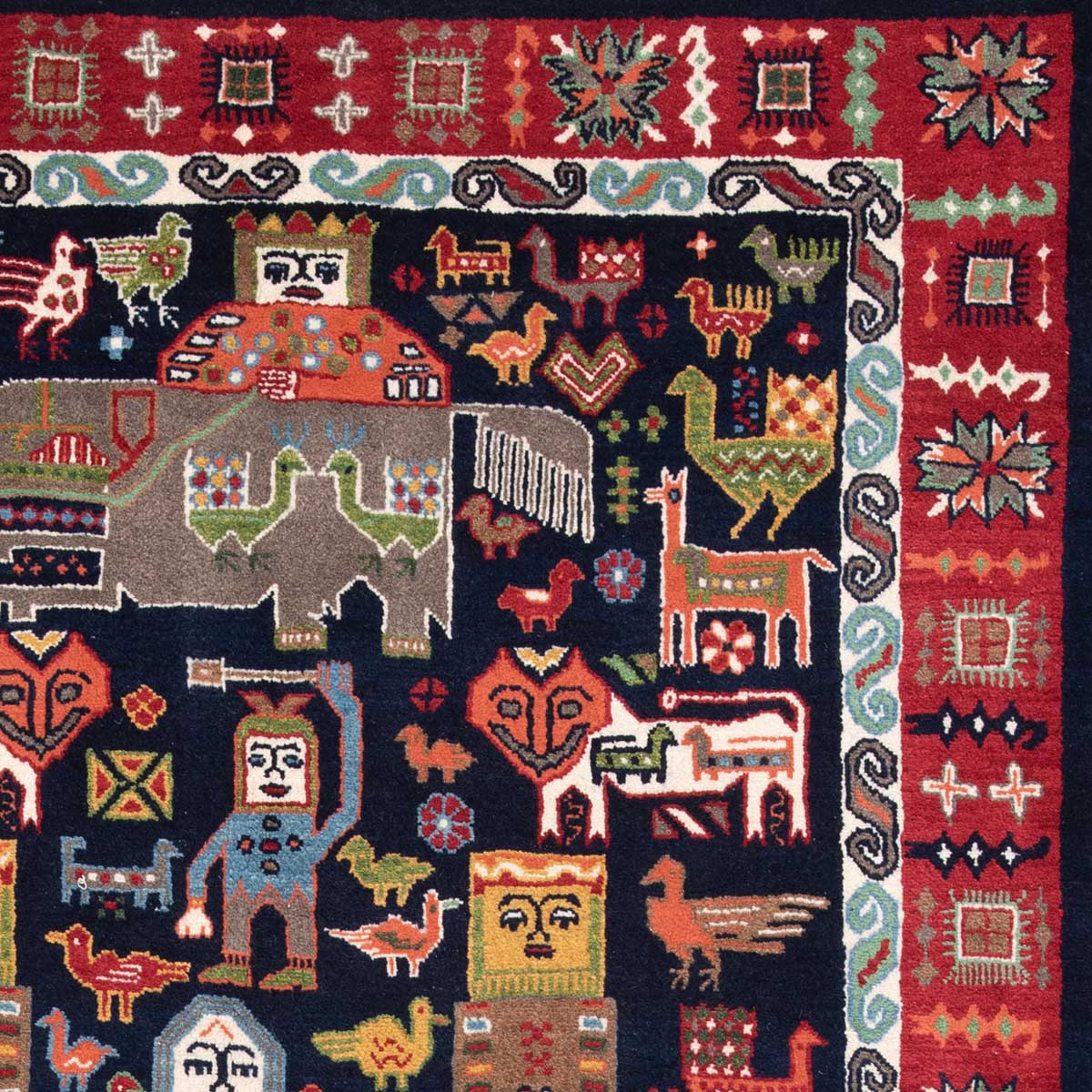
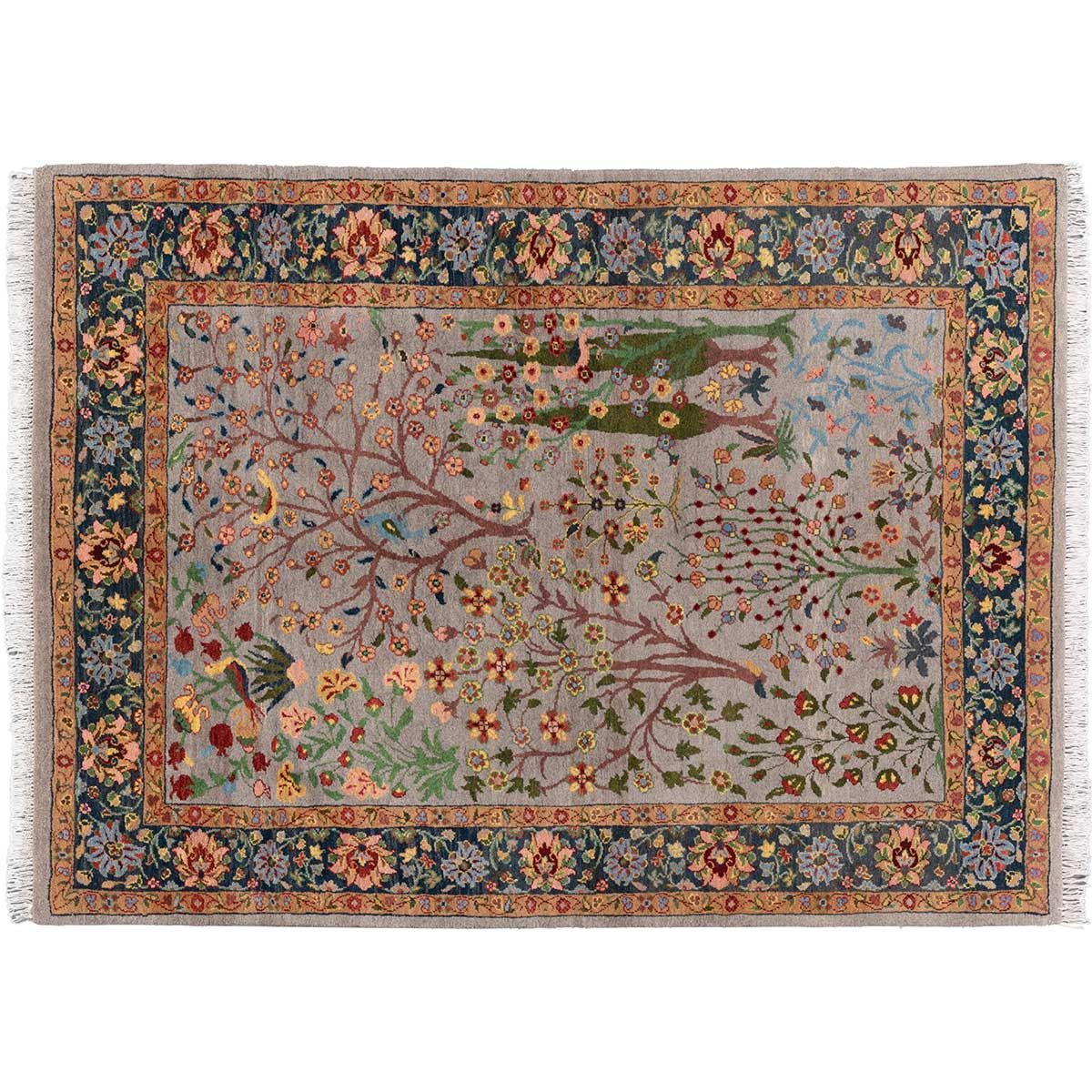
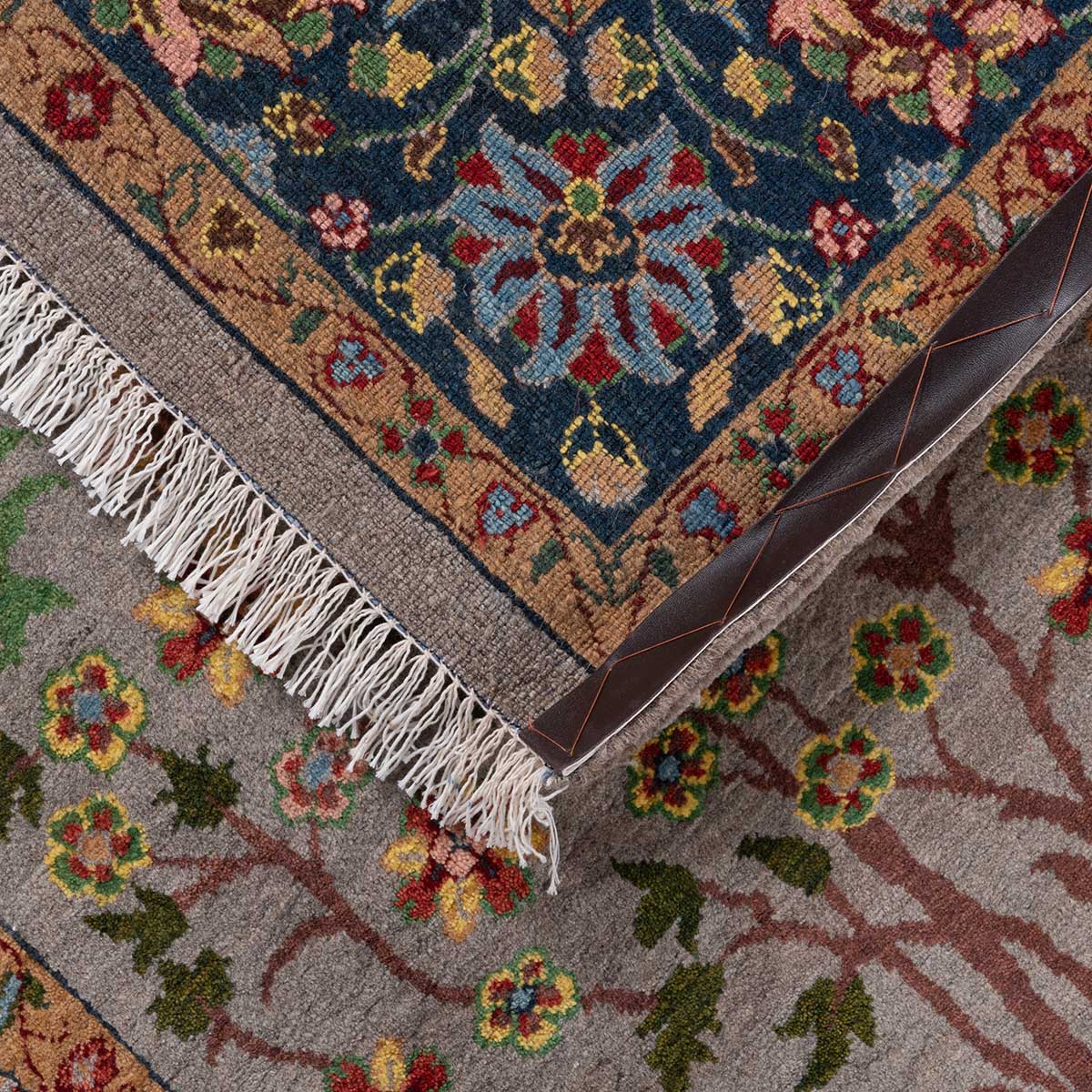
Hamedan, historically Ecbatana, is one of the world’s oldest cities and a renowned center of carpet weaving, reaching prominence during the Safavid dynasty. By the Qajar era, its bazaar became a hub for carpets from surrounding villages like Malayer, Nahavand, Tuyserkan, and Borujerd. Hamedan carpets feature single-weft construction, durable local wool, and Turkish (symmetrical) knots, with bold geometric and floral motifs, central medallions, herati and boteh patterns, and vivid colors such as indigo, madder red, and ivory. Each village contributes distinctive styles, reflecting regional diversity. Beyond trade, these carpets are cultural artifacts symbolizing fertility, protection, and spirituality, often passed down through women. Hamedan carpets embody centuries of creativity and resilience, remaining iconic representations of Iran’s artistic and cultural heritage.