Ardebil Carpet

Handwoven Carpets of Tabriz: An In-Depth Exploration

The handwoven carpets of Tabriz are one of the most important symbols of Iranian art and ancient craftsmanship, recognized worldwide for their exceptional quality and beauty. These carpets stand out in the global market due to their unique features in design, weaving techniques, color schemes, and knotting styles. This article provides a comprehensive examination of the handwoven carpets of Tabriz, covering aspects such as their history, knotting types, exclusive patterns, and other essential details one should know about these magnificent pieces of art. This discussion will delve into the history, types of knots, distinctive designs, materials, weaving techniques, and the impact of Tabriz carpets on global carpet-making.

History and Prestige of Tabriz Handwoven Carpets

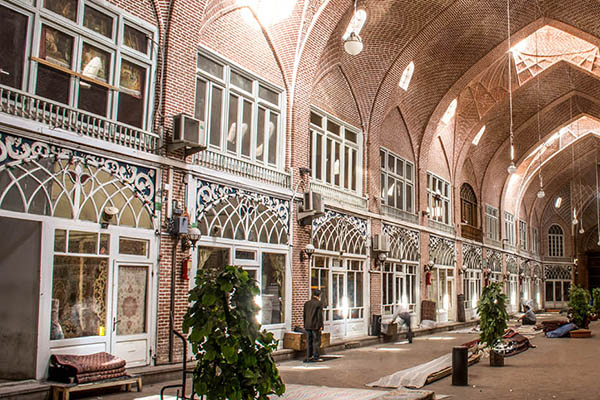
The art of carpet weaving in Tabriz has a long and rooted history, dating back to pre-Islamic times and even the Sassanid era. Tabriz, being a cultural and commercial hub along the Silk Road, was a significant center for carpet production, which flourished over the centuries. During the Safavid period, Tabriz became one of the leading centers of carpet production in Iran, with many exquisite carpets woven in its workshops.

In the Qajar era and later during the Pahlavi period, Tabriz carpets gained worldwide fame and were even showcased in international exhibitions such as those held in Paris, presenting Tabriz carpets as symbols of Persian art.

Distinctive Features of Tabriz Handwoven Carpets

Tabriz carpets have several distinctive features that differentiate them from other Persian carpets. These features include:

Knotting Style (Turkish Knot or JLB Knot)

Tabriz carpets are primarily woven using the Turkish knot (also known as the JLB knot). This knot is one of the key characteristics of Tabriz carpets, known for its complexity and the higher durability it offers compared to other knotting techniques. The Turkish knot is particularly used in Northwestern Iran, including Tabriz, and is considered a fundamental element of their weaving process.

Patterns and Designs

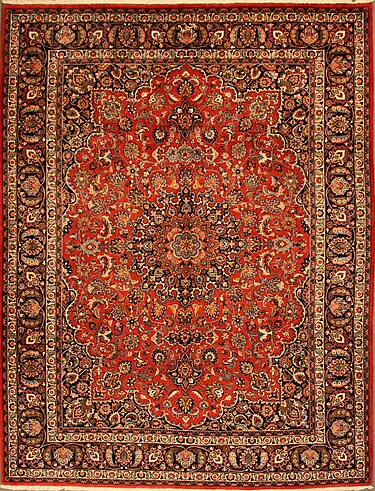
Tabriz carpets are known for their high diversity in patterns and designs. Typical classic Tabriz designs often feature geometric motifs, natural floral patterns, hunting scenes, and Arabesque patterns. One of the most significant features of Tabriz carpets is their unique and intricate patterns, meticulously designed with precision. Some well-known Tabriz patterns include “Miraj,” “Arfi,” “Octagon,” “Shah Abbasi,” “Medallion,” and “Shiraz.”

Colors and Dyeing Materials

Tabriz carpets are renowned for using natural and plant-based dyes. The color palette of Tabriz carpets typically includes rich reds, blues, yellows, greens, and creams. These dyes are extracted from plants, fruits, and even insects, resulting in vivid, lasting colors. The use of natural dyes alongside modern synthetic dyes has contributed to the lasting appeal of Tabriz carpets in international markets.

Quality of Wool

One of the distinguishing characteristics of Tabriz carpets is the quality of wool used in their production. The wool used in Tabriz carpets is generally of high quality, and in some cases, silk is used as well. The wool from Tabriz is known for its resilience and softness, making the carpets not only visually appealing but also highly durable and strong.

Types of Tabriz Handwoven Carpets

Tabriz carpets are divided into several main categories based on size, design, and weaving technique:

Weaving Techniques and Production Process

Designing

The design of the carpet is the first stage, requiring precise and delicate planning. Tabriz carpet designs are generally created by experienced designers who are capable of producing intricate and artistic patterns. These designs may be hand-drawn or made using modern design software.

Material Preparation

The materials needed for weaving, including wool and silk threads, natural dyes, and weaving tools, are prepared in this stage. The threads are dyed and then spun into two-ply or multi-ply strands for use in the weaving process.

Weaving

The actual weaving is done by skilled and professional weavers. In this stage, the knots are tied onto the loom with precision and speed. Weavers must have the expertise to execute the knots accurately in order to bring the intricate patterns to life.

Finishing and Refining

After weaving is completed, the carpet enters the finishing stage. In this phase, the carpet is trimmed, repaired, and cleaned to ensure its quality before being sent to dealers or buyers.

The Global Impact of Tabriz Carpets

Tabriz carpets are not only known within Iran but are also recognized worldwide, having significantly influenced the development of carpet weaving across the globe. Due to their distinctive patterns and techniques, Tabriz carpets have won numerous awards at international exhibitions and competitions.

Tabriz Carpet Market and Exports

As one of Iran’s key export items, Tabriz carpets have a large market abroad, particularly in Europe, the United States, and the Gulf countries. These carpets are highly sought after, both as decorative items and as long-term investments. Tabriz carpets continue to maintain a strong position in the global market due to their craftsmanship and lasting beauty.

Tabriz handwoven carpets, as one of the finest examples of Persian craftsmanship, possess several unique features that set them apart from other carpets. These carpets, made from high-quality materials, intricate designs, and strong weaving techniques, are not only a reflection of Iranian culture but also a testament to the expertise of the artisans from this region. The art of Tabriz carpet weaving represents a vital part of Persian heritage and continues to captivate the world with its beauty, quality, and craftsmanship.

Tabriz Carpet

Handwoven Carpets of Tabriz: An In-Depth Exploration

The handwoven carpets of Tabriz are one of the most important symbols of Iranian art and ancient craftsmanship, recognized worldwide for their exceptional quality and beauty. These carpets stand out in the global market due to their unique features in design, weaving techniques, color schemes, and knotting styles. This article provides a comprehensive examination of the handwoven carpets of Tabriz, covering aspects such as their history, knotting types, exclusive patterns, and other essential details one should know about these magnificent pieces of art. This discussion will delve into the history, types of knots, distinctive designs, materials, weaving techniques, and the impact of Tabriz carpets on global carpet-making.

History and Prestige of Tabriz Handwoven Carpets

The art of carpet weaving in Tabriz has a long and rooted history, dating back to pre-Islamic times and even the Sassanid era. Tabriz, being a cultural and commercial hub along the Silk Road, was a significant center for carpet production, which flourished over the centuries. During the Safavid period, Tabriz became one of the leading centers of carpet production in Iran, with many exquisite carpets woven in its workshops.

In the Qajar era and later during the Pahlavi period, Tabriz carpets gained worldwide fame and were even showcased in international exhibitions such as those held in Paris, presenting Tabriz carpets as symbols of Persian art.

Distinctive Features of Tabriz Handwoven Carpets

Tabriz carpets have several distinctive features that differentiate them from other Persian carpets. These features include:

Knotting Style (Turkish Knot or JLB Knot)

Tabriz carpets are primarily woven using the Turkish knot (also known as the JLB knot). This knot is one of the key characteristics of Tabriz carpets, known for its complexity and the higher durability it offers compared to other knotting techniques. The Turkish knot is particularly used in Northwestern Iran, including Tabriz, and is considered a fundamental element of their weaving process.

Patterns and Designs

Tabriz carpets are known for their high diversity in patterns and designs. Typical classic Tabriz designs often feature geometric motifs, natural floral patterns, hunting scenes, and Arabesque patterns. One of the most significant features of Tabriz carpets is their unique and intricate patterns, meticulously designed with precision. Some well-known Tabriz patterns include “Miraj,” “Arfi,” “Octagon,” “Shah Abbasi,” “Medallion,” and “Shiraz.”

Colors and Dyeing Materials

Tabriz carpets are renowned for using natural and plant-based dyes. The color palette of Tabriz carpets typically includes rich reds, blues, yellows, greens, and creams. These dyes are extracted from plants, fruits, and even insects, resulting in vivid, lasting colors. The use of natural dyes alongside modern synthetic dyes has contributed to the lasting appeal of Tabriz carpets in international markets.

Quality of Wool

One of the distinguishing characteristics of Tabriz carpets is the quality of wool used in their production. The wool used in Tabriz carpets is generally of high quality, and in some cases, silk is used as well. The wool from Tabriz is known for its resilience and softness, making the carpets not only visually appealing but also highly durable and strong.

Types of Tabriz Handwoven Carpets

Tabriz carpets are divided into several main categories based on size, design, and weaving technique:

Weaving Techniques and Production Process

Designing

The design of the carpet is the first stage, requiring precise and delicate planning. Tabriz carpet designs are generally created by experienced designers who are capable of producing intricate and artistic patterns. These designs may be hand-drawn or made using modern design software.

Material Preparation

The materials needed for weaving, including wool and silk threads, natural dyes, and weaving tools, are prepared in this stage. The threads are dyed and then spun into two-ply or multi-ply strands for use in the weaving process.

Weaving

The actual weaving is done by skilled and professional weavers. In this stage, the knots are tied onto the loom with precision and speed. Weavers must have the expertise to execute the knots accurately in order to bring the intricate patterns to life.

Finishing and Refining

After weaving is completed, the carpet enters the finishing stage. In this phase, the carpet is trimmed, repaired, and cleaned to ensure its quality before being sent to dealers or buyers.

The Global Impact of Tabriz Carpets

Tabriz carpets are not only known within Iran but are also recognized worldwide, having significantly influenced the development of carpet weaving across the globe. Due to their distinctive patterns and techniques, Tabriz carpets have won numerous awards at international exhibitions and competitions.

Tabriz Carpet Market and Exports

As one of Iran’s key export items, Tabriz carpets have a large market abroad, particularly in Europe, the United States, and the Gulf countries. These carpets are highly sought after, both as decorative items and as long-term investments. Tabriz carpets continue to maintain a strong position in the global market due to their craftsmanship and lasting beauty.

Tabriz handwoven carpets, as one of the finest examples of Persian craftsmanship, possess several unique features that set them apart from other carpets. These carpets, made from high-quality materials, intricate designs, and strong weaving techniques, are not only a reflection of Iranian culture but also a testament to the expertise of the artisans from this region. The art of Tabriz carpet weaving represents a vital part of Persian heritage and continues to captivate the world with its beauty, quality, and craftsmanship.