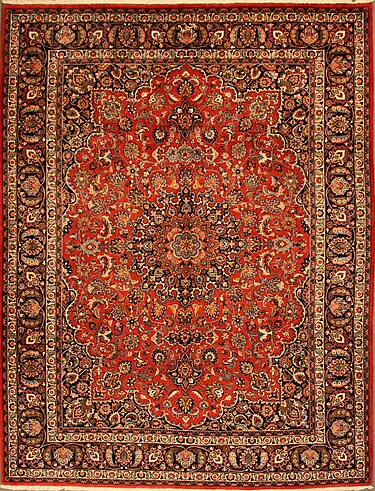
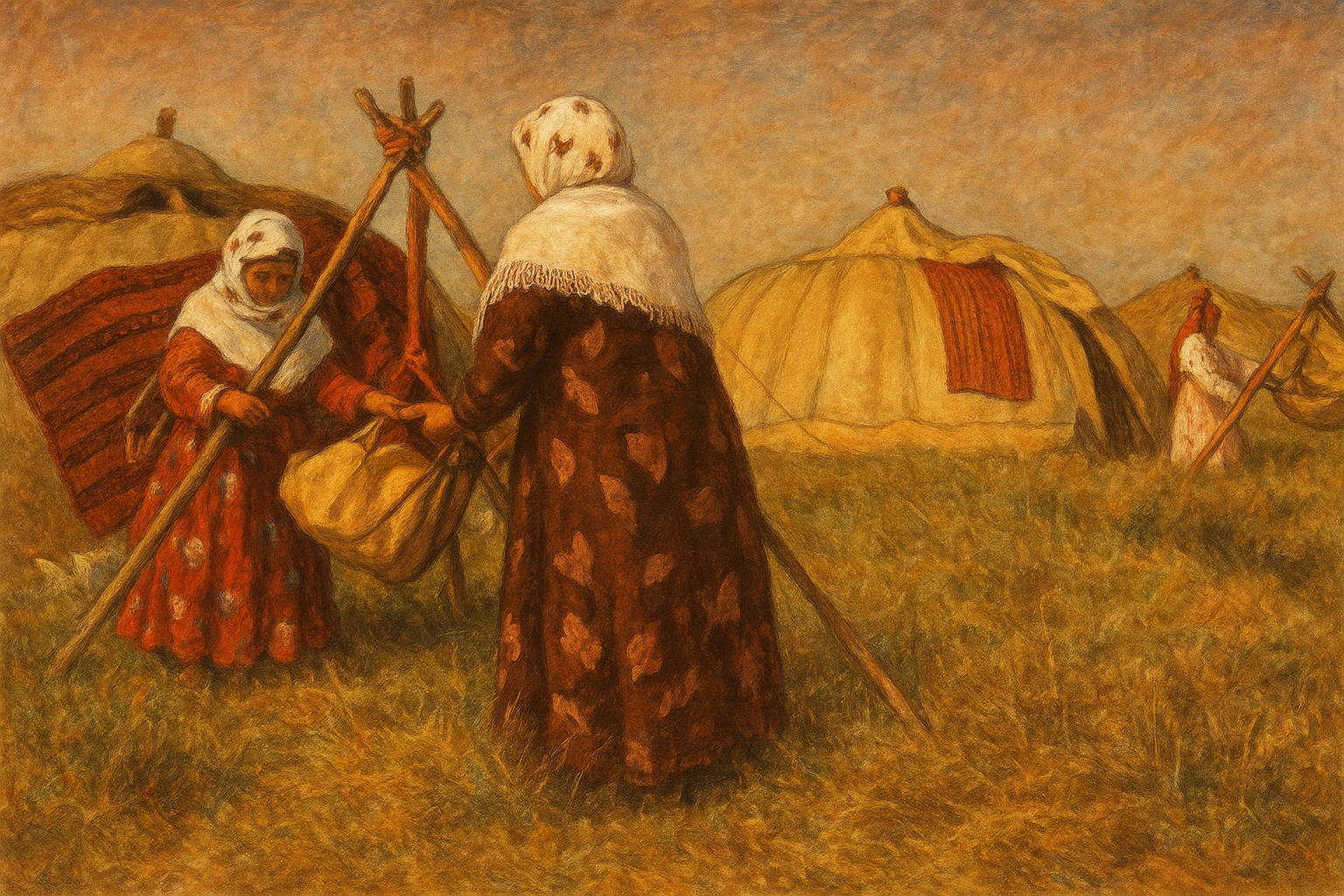
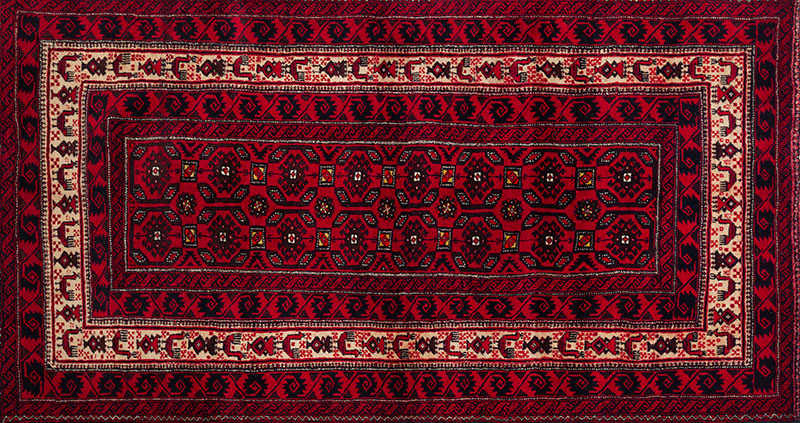
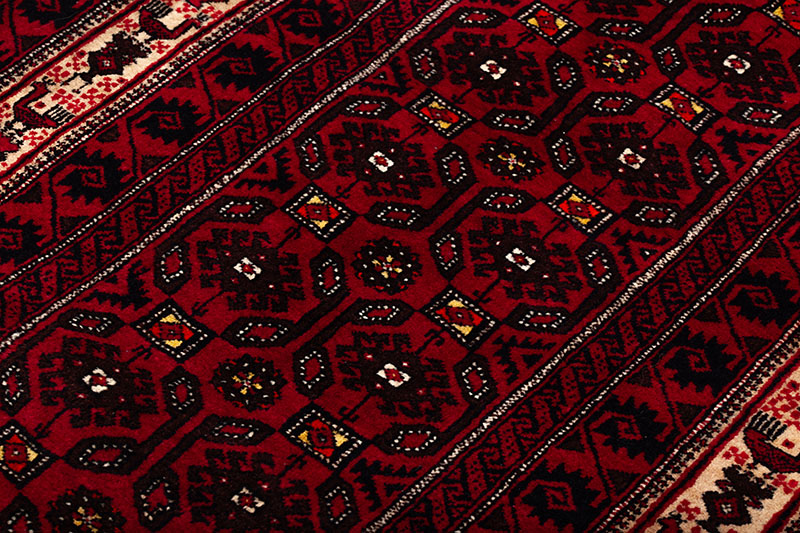
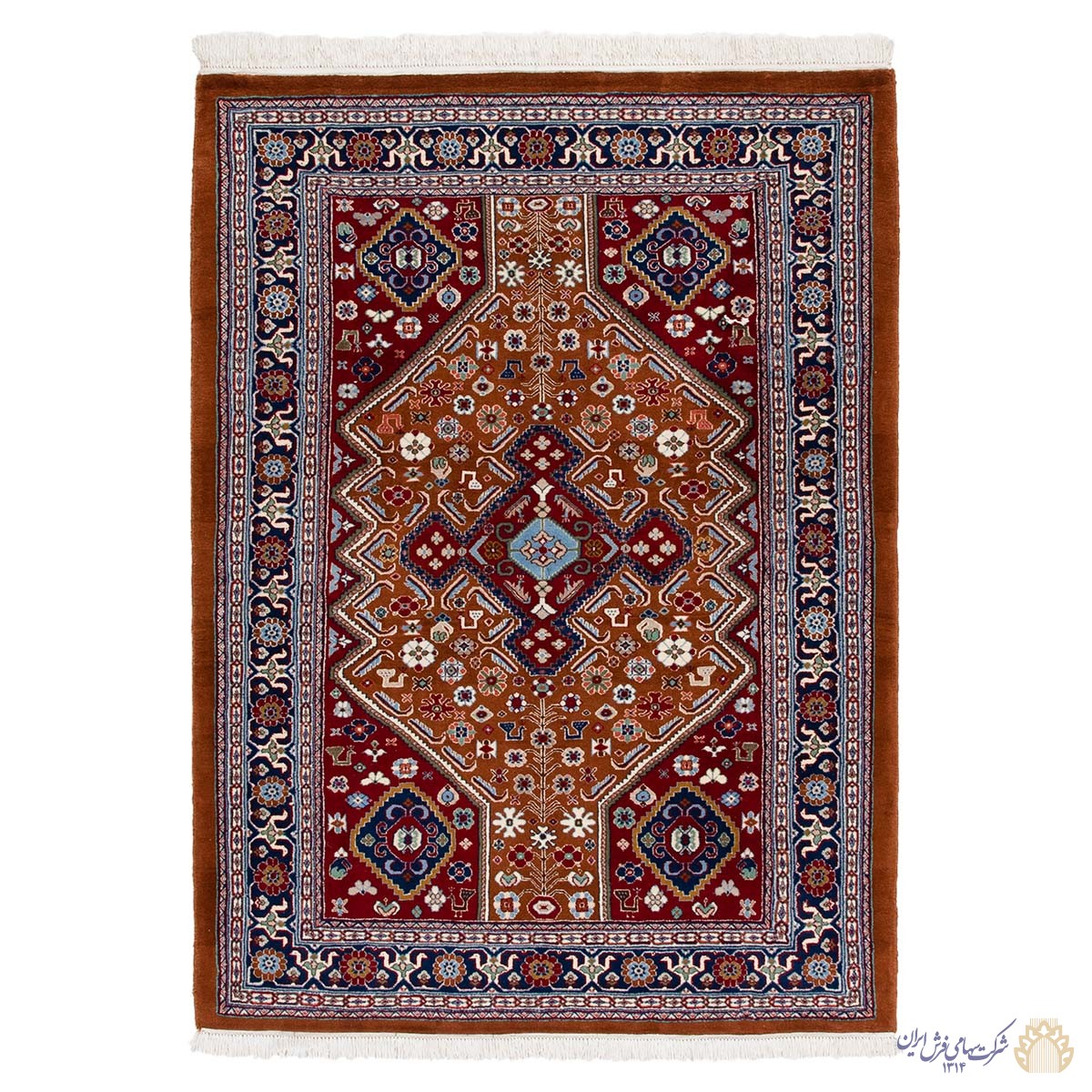
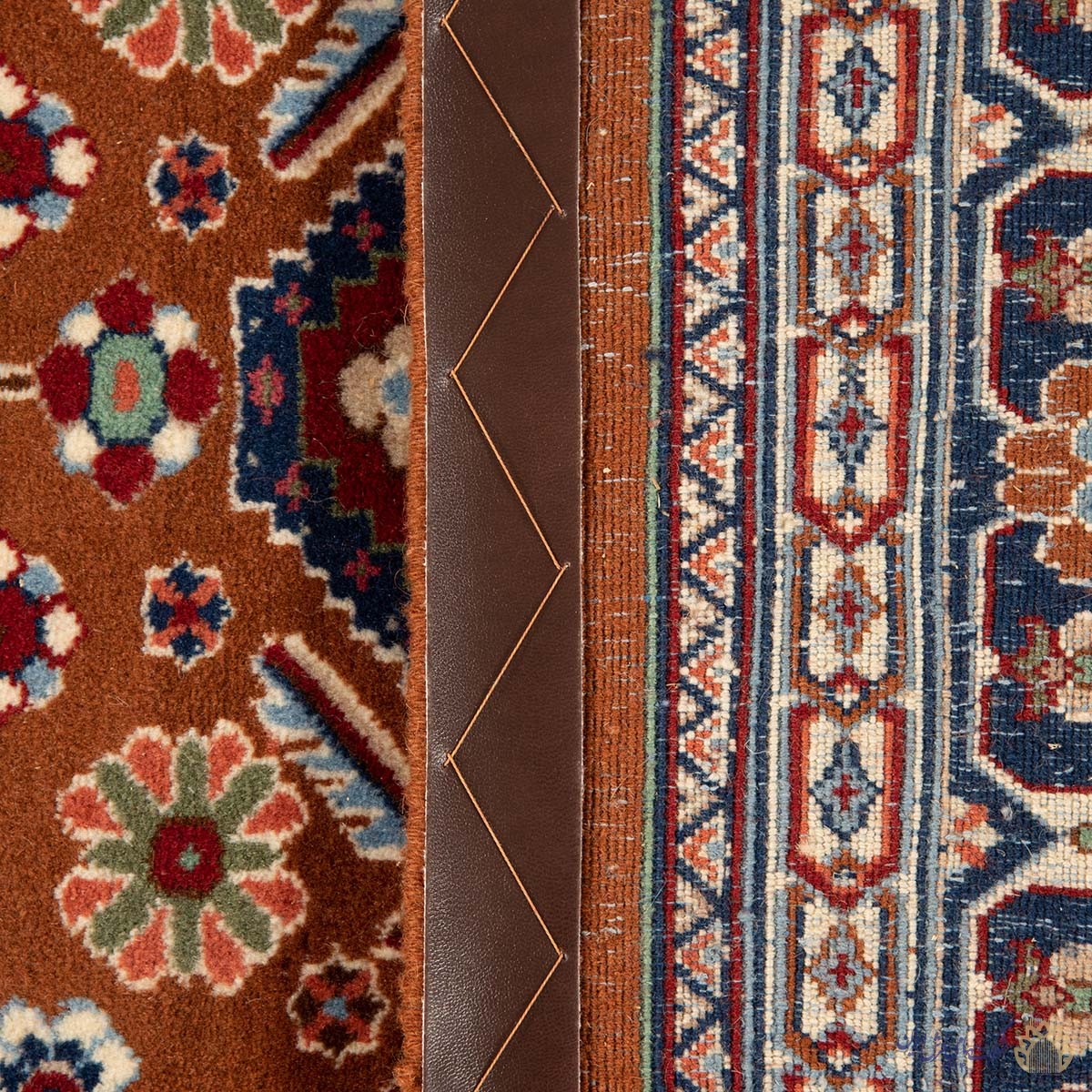
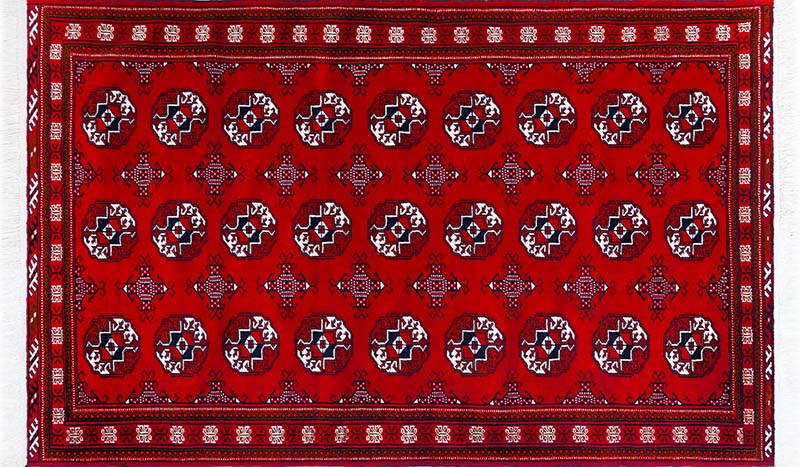
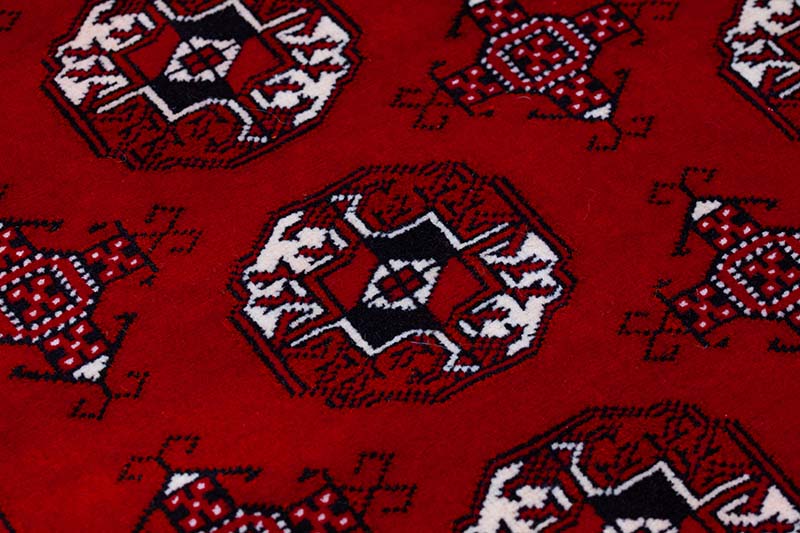
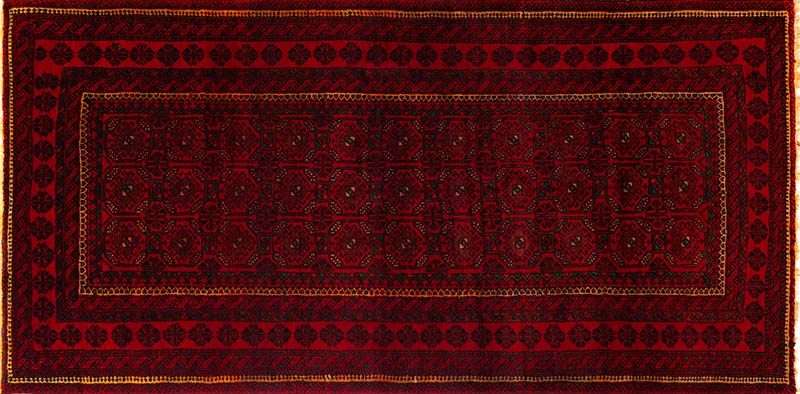
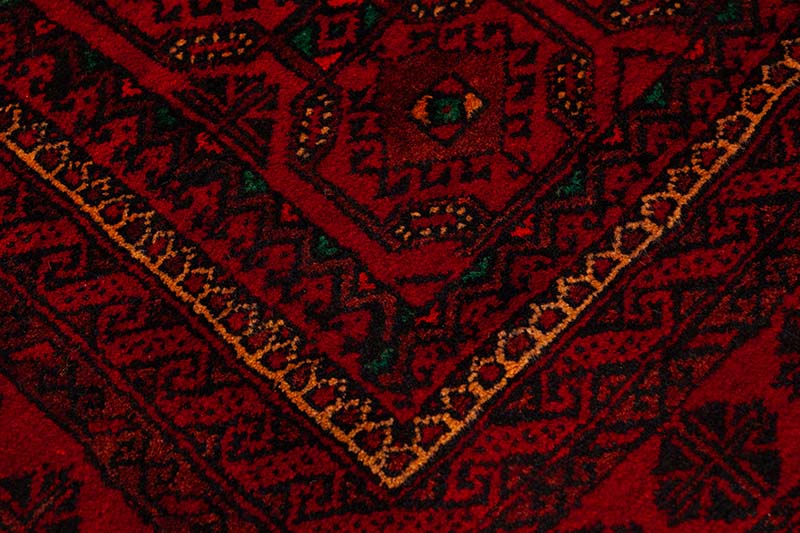
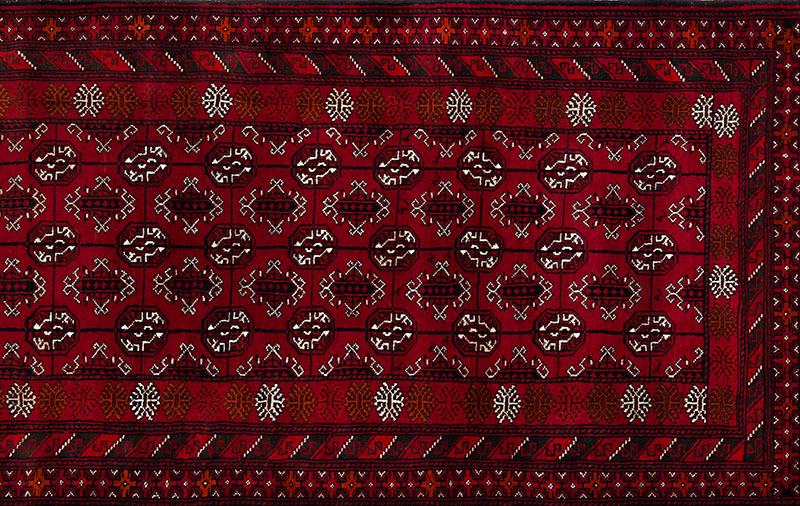
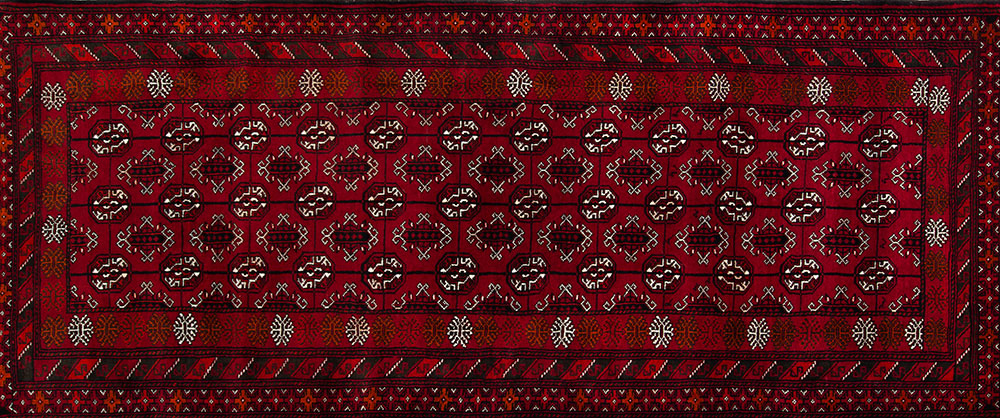
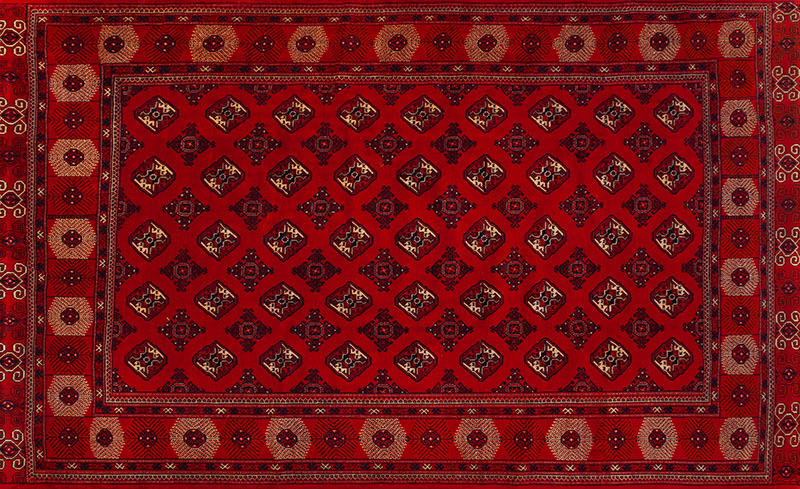
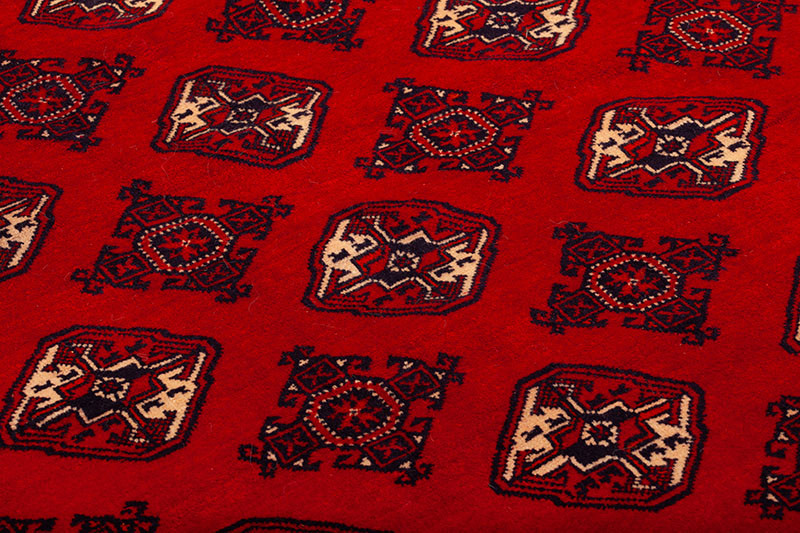
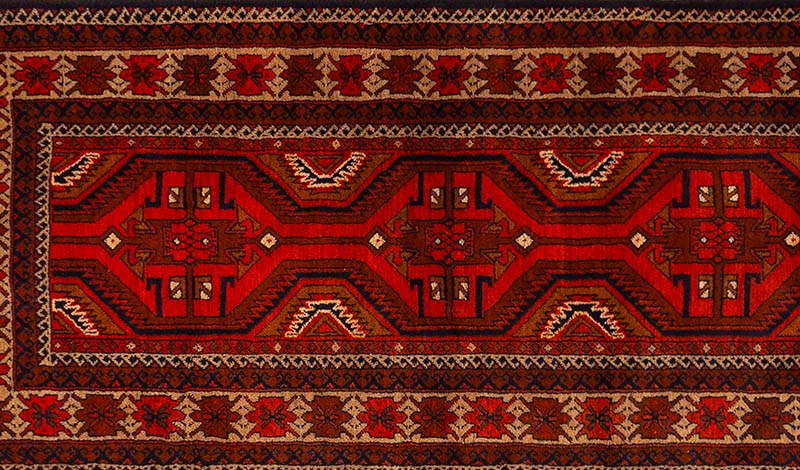
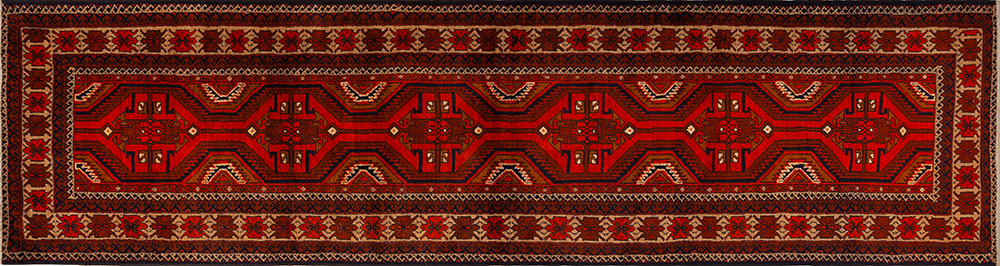
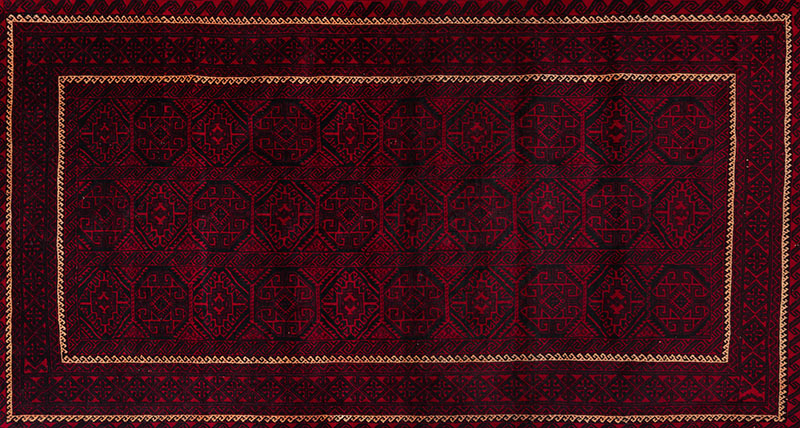
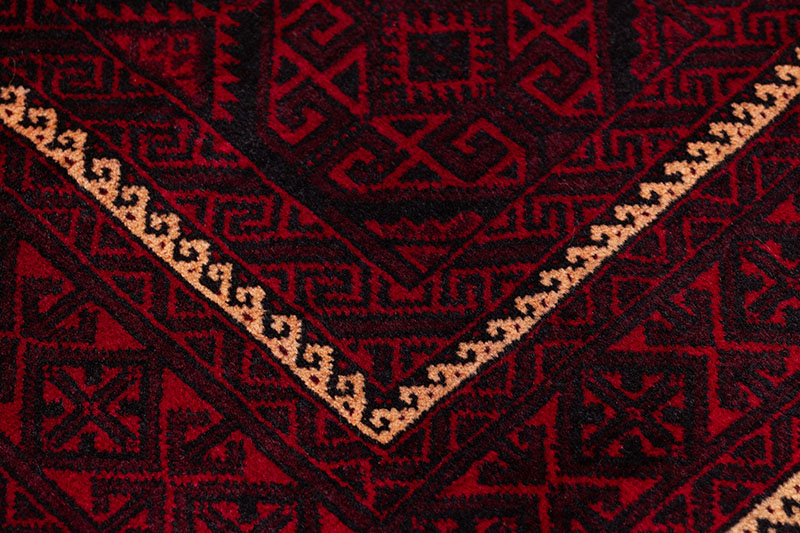
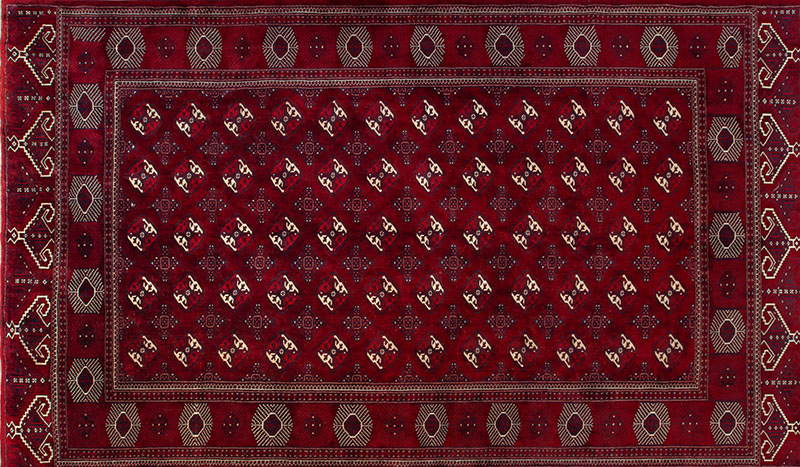
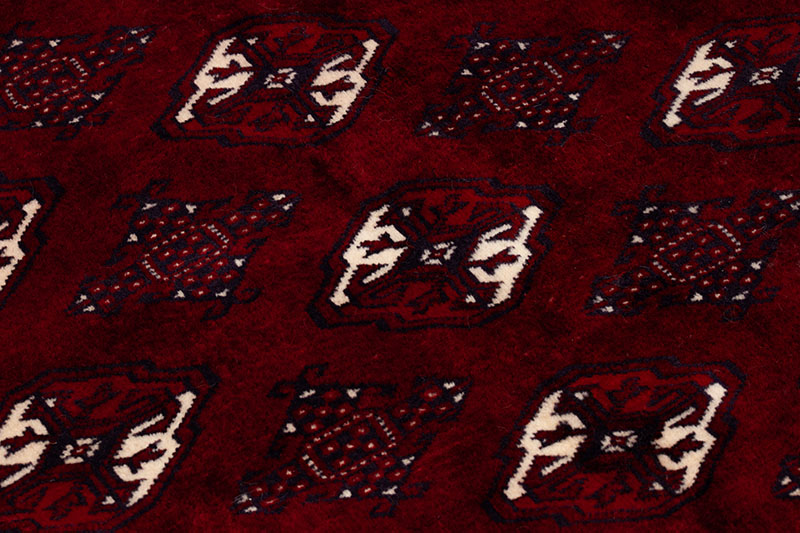
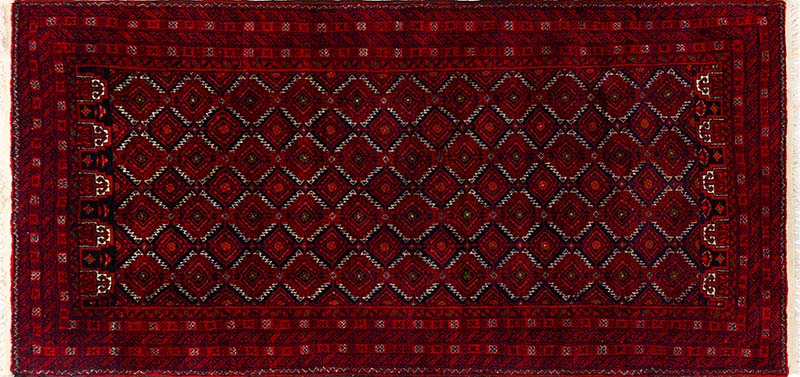
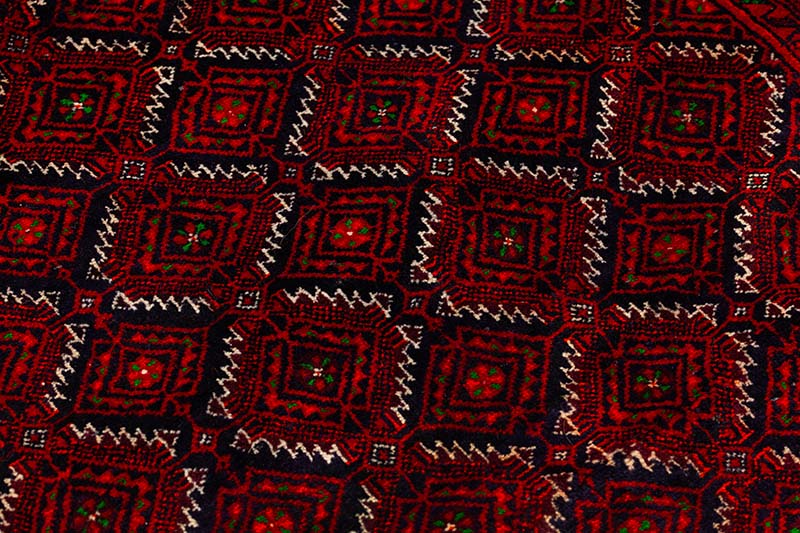
The handmade carpets of Iran’s nomadic peoples reflect over 2,500 years of artistry, practicality, and cultural identity. Originating with tribes needing durable textiles for temporary dwellings, early weavings used wool and goat hair, with techniques passed down through generations. Distinct tribal styles developed, including Qashqai rugs with soft wool and vibrant geometric designs, Shahsavan Verni kilims with weft-wrapping and animal motifs, Afshar rugs blending Persian and Caucasian influences, and Balochi rugs featuring abstract and representational patterns. These carpets serve as cultural narratives, with motifs symbolizing beliefs, nature, and daily life. Today, nomadic weaving continues to be preserved and promoted, embodying a living tradition. Iran’s nomadic carpets are celebrated globally for their craftsmanship, artistic expression, and enduring cultural heritage.